Blog · November 4, 2026 · 4 min read
Pixel art styles explained: 1-bit, 8-bit, 16-bit and HD
Pixel art covers several distinct looks. Its main styles, how to tell them apart, and real games that show each one, from Obra Dinn to Dead Cells.
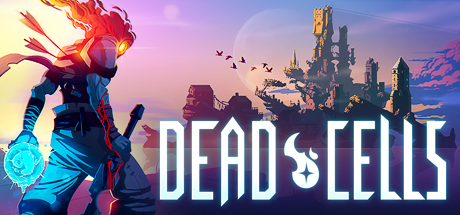
Pixel art is art built from visible square pixels, drawn at a low resolution and scaled up without smoothing, so every pixel stays a crisp block. Everything else is up to the artist, and the range runs from two-color etchings and chunky NES-style sprites to the layered, many-colored backgrounds of the SNES years and modern games with real-time lighting.
StyleDex has 82 pixel art games, and it splits them into the styles below. Each one is a tag you can browse.

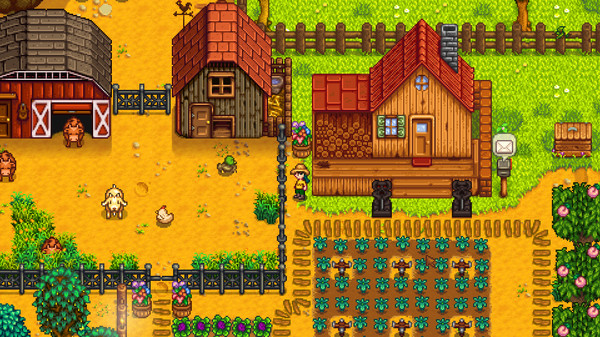
Obra Dinn uses two colors and Stardew Valley uses dozens, and both are pixel art. The styles below run from fewest colors to most.
1-bit: two colors only
1-bit pixel art uses exactly two colors, usually black and white, or one color and its background. Each pixel is on or off. With no grays to shade with, artists use dithering: patterns of scattered dots that read as gray from a distance.
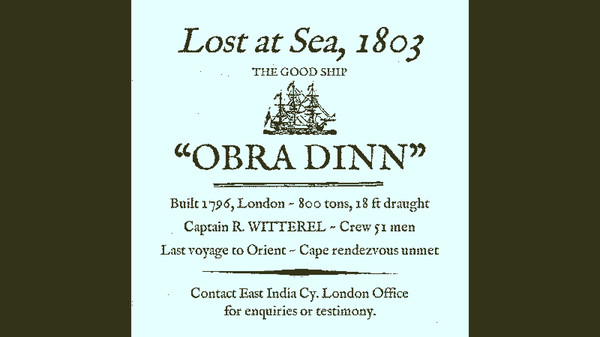
Return of the Obra Dinn is the best-known 1-bit game in the dex. Lucas Pope built a full 3D ship and rendered it in 1-bit with heavy dithering, so it looks like an old Macintosh screen or an engraving in a ship's logbook. Pixel art can come out of a 3D renderer as well as being drawn by hand.


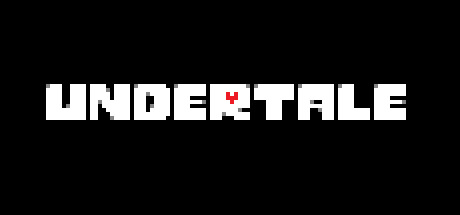
Undertale uses a near-1-bit look in its battles: white monsters and white text on black, with color saved for a few moments.


If you like the dot patterns, the dex tags them on their own as pixel dither shading, across 60 games.
8-bit: the NES look
8-bit style pixel art copies the home consoles of the mid-1980s. Sprites are small and use tiny palettes. Backgrounds are built from repeating square tiles. On the real NES, a sprite could use only three colors plus transparency, and modern 8-bit-style games keep a similar limit by choice.
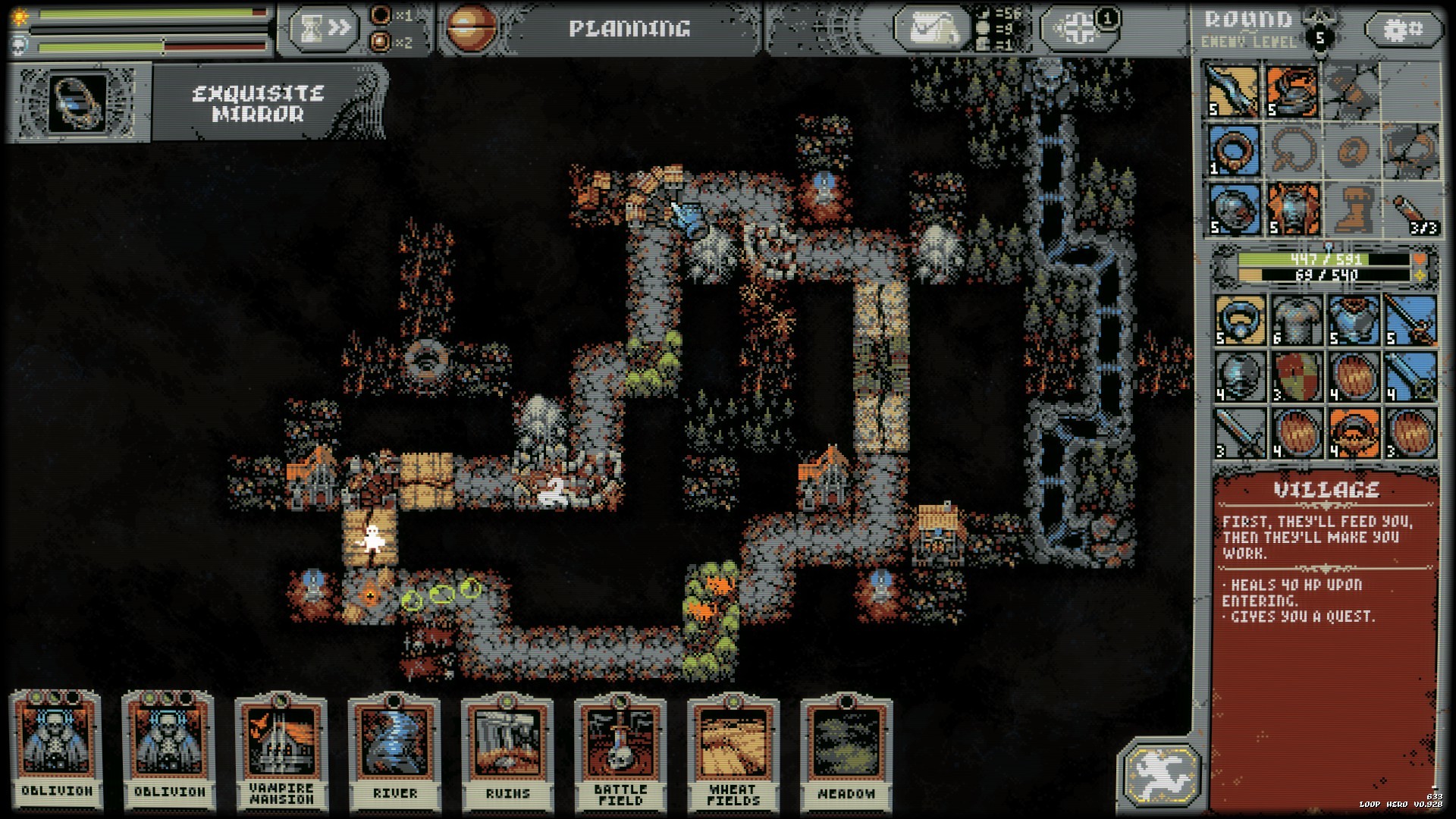
Loop Hero is a good modern example. Its map is a grid of tiny, low-color tiles in a dark palette, and its cards and menus look like a game from 1987 that never came out.
8-bit is the rarest style in the dex, with only 4 games. Most retro-inspired games in the dex copy the 16-bit era instead.
16-bit: the SNES and Genesis look
16-bit style pixel art copies the consoles of the early 1990s. Sprites are bigger and more detailed, and palettes have more colors. Backgrounds gain layers that scroll at different speeds (parallax). It's the most popular retro style in the dex, with 20 games, including two of the best-selling indie games ever, Stardew Valley and Terraria.
Stardew Valley, drawn by Eric Barone on his own, uses warm greens and yellows and small, chunky characters that would fit in a SNES farming game. Terraria and Starbound use the same scale for building games.
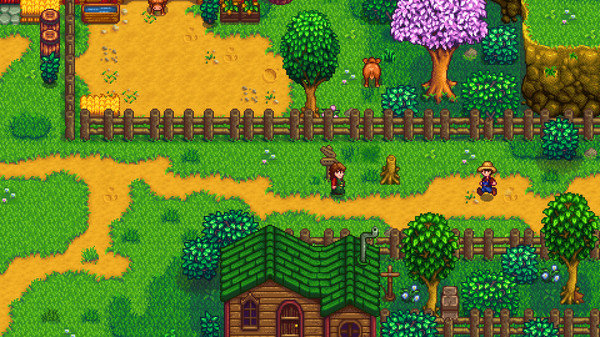

Celeste shows how far the style can stretch. Its characters are tiny, but its backgrounds use layered fog, light and dozens of colors, from snowy ridges to pink and purple dream levels.


Micro pixel art: tiny figures
Micro pixel art draws characters under about 16 pixels tall. At that size, a face is two dots and a body is a few blocks, and the player's eye fills in the rest of the figure.
Baba Is You uses micro pixels for a puzzle game where the rules themselves are tiles you push around. Risk of Rain Returns shrinks its heroes so the levels and swarms of monsters feel huge around them.
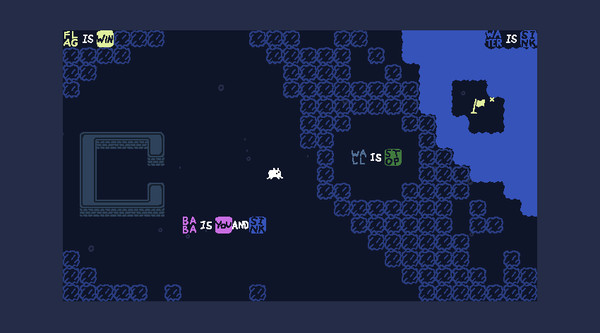
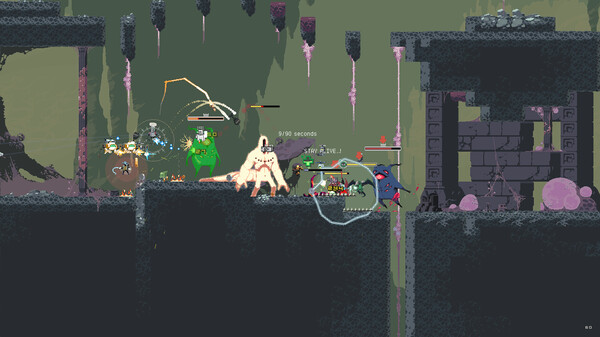
The style suits games where the player needs to see a lot at once. WorldBox uses it for a whole simulated planet of tiny villages and armies.
HD pixel art: modern pixels
HD pixel art keeps the visible pixel grid but drops the old hardware limits. It uses many colors and smooth animation with lots of frames, plus modern lighting and particle effects. It's the biggest pixel art group in the dex, with 32 games.
Dead Cells is the most-cited HD pixel art game. Motion Twin built its characters as 3D models and turned them into pixel art frames, which is how the animation stays so smooth. Its pixel scenes are lit by glowing windows and colored fog.


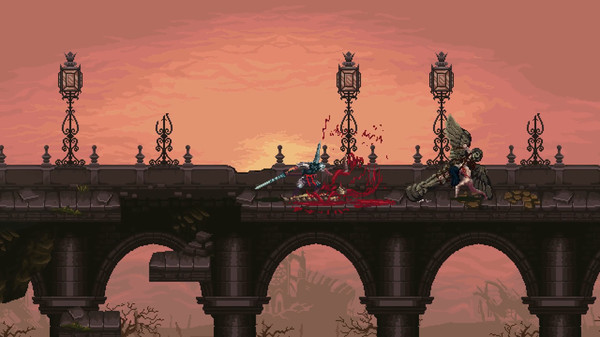
Blasphemous uses HD pixels for something darker: detailed gothic architecture under dusky red skies. Katana ZERO goes neon, with purple and green club lighting and screen effects that look like a VHS tape.

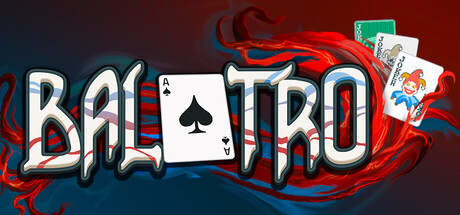
Balatro uses HD pixel art with no game world at all, only cards and menus. The cards are crisp pixel drawings laid over a swirling background, with a soft screen curve like an old TV.
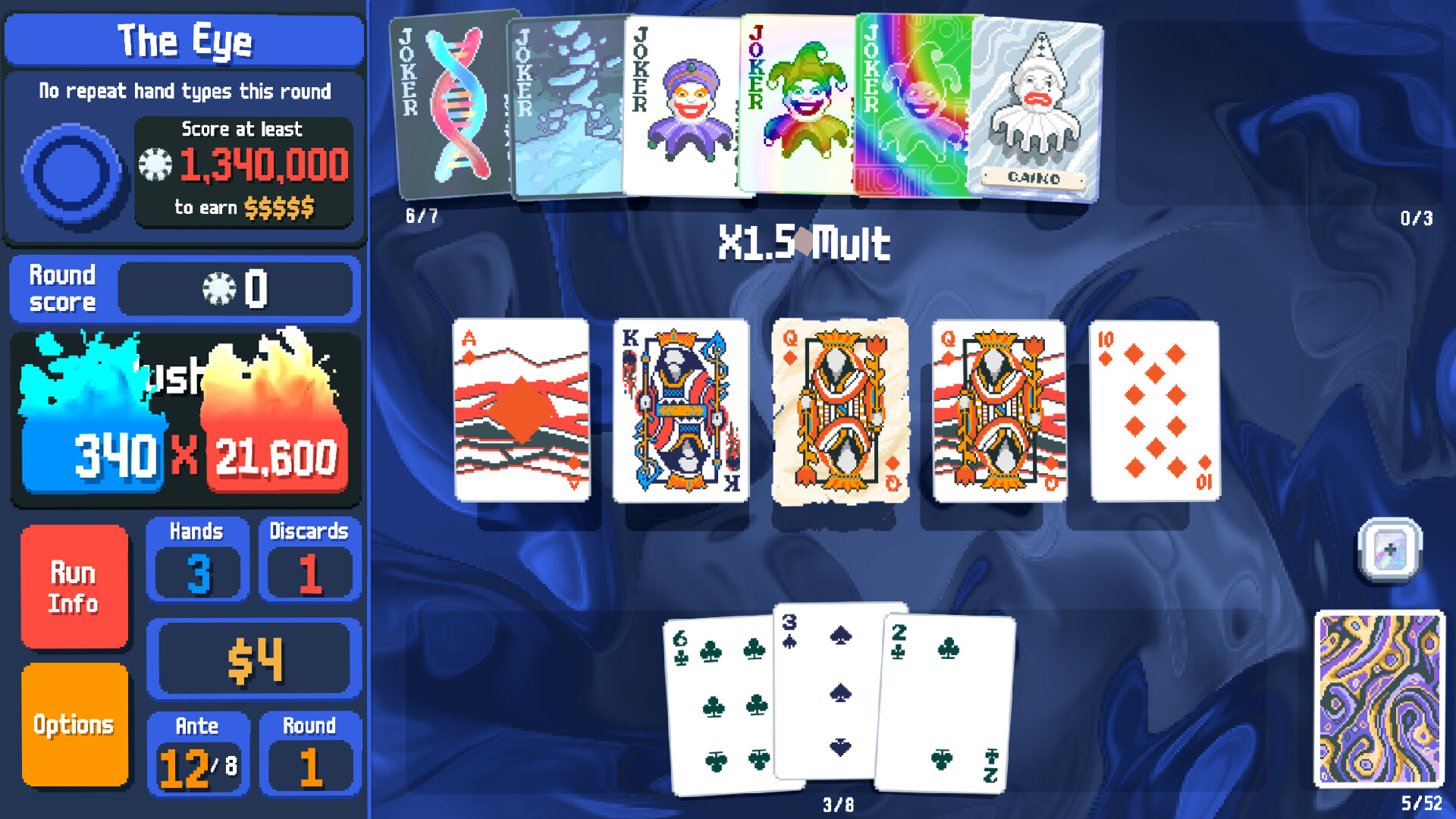
Compare the palettes
Color count is the quickest way to tell the styles apart. Here are three games' palettes side by side: Obra Dinn's two-color etching, Stardew's warm farm colors, and Dead Cells' moody blues and teals.
Which style should you use?
- 1-bit needs the fewest colors but is the hardest to keep readable. It suits moody games made by small teams.
- 8-bit and micro are fast to draw and suit games where many things move at once.
- 16-bit is the comfortable middle: detailed enough for expressive characters, small enough for one artist to finish.
- HD pixel art looks the most modern, but it's slow to animate by hand. Dead Cells' 3D pipeline is one way around that.
Games to study
The most popular pixel art games in the dex, one or two from each style:
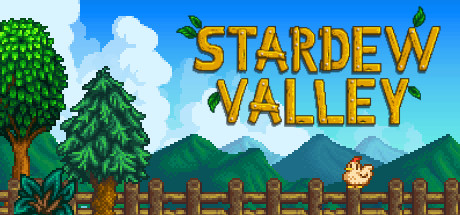
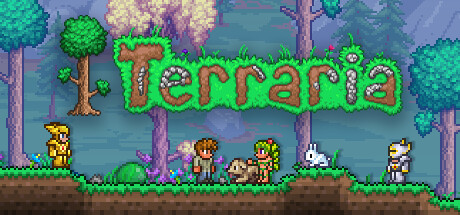
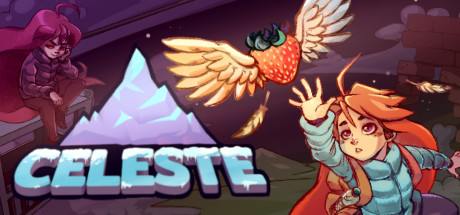
To narrow it down, you can combine pixel art with any other tag, for example pixel art with a dark palette or pixel art with chibi proportions.
Prompt phrases
From the StyleDex tag pages, ready to copy:
| Style | Prompt phrase |
|---|---|
| Pixel art | pixel art, crisp square pixels, no anti-aliasing |
| 1-bit | 1-bit pixel art, two-color, dithered shading |
| 8-bit | 8-bit pixel art, limited palette, chunky sprites |
| 16-bit | 16-bit pixel art, detailed sprites, rich palette, parallax backgrounds |
| HD pixel art | modern high-resolution pixel art, smooth animation, dynamic lighting |
| Micro | tiny micro pixel art sprites, minimal detail |